ByJohn A
Smart Ways to Keep Dogs Cool, Hydrated, and Comfortable at Home
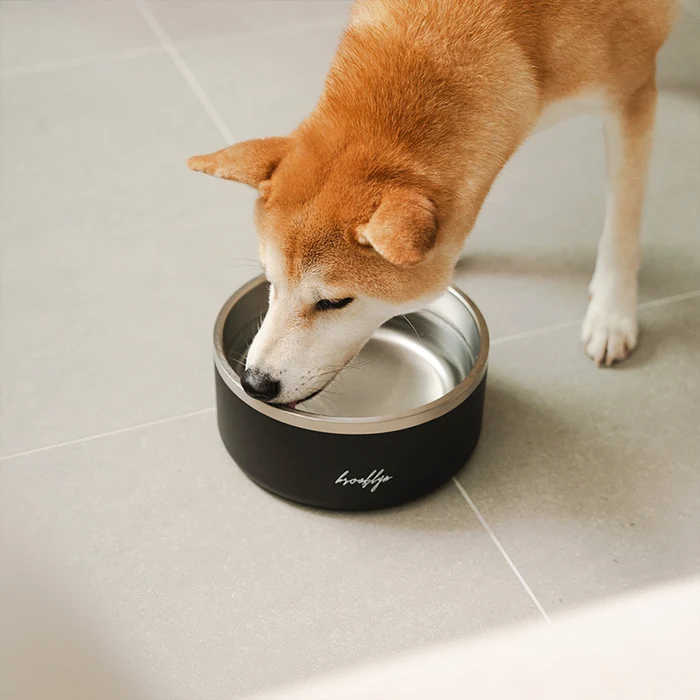
As temperatures rise, keeping dogs comfortable becomes more than a matter of convenience. Fresh water, shade, ventilation, and thoughtful daily routines all play an important role in helping pets manage warm conditions. Choosing the right insulated dog bowl can also help keep drinking water cooler and more appealing throughout the day. However, a comfortable setup involves more than the bowl itself. From where water is placed to how outdoor activities are managed, small changes can make a noticeable difference to a dog’s daily comfort.
Why Summer Comfort Matters for Dogs
Dogs respond to heat differently from people. They do not cool themselves through sweating across their entire body. Instead, panting and other natural processes help regulate their body temperature. This means environmental conditions can have a significant effect on how comfortable they feel.
Warm weather can become particularly challenging when dogs spend extended periods outdoors, exercise intensely, or have limited access to fresh water. Older dogs, very young dogs, dogs with thick coats, and certain breeds may also require closer attention during warmer conditions.
Creating a cooler environment does not have to involve complicated changes. A consistent supply of clean drinking water, a shaded resting area, and sensible activity choices can form the foundation of a comfortable routine.
Keep Drinking Water Fresh and Appealing
Hydration is one of the simplest yet most important parts of warm-weather pet care. Dogs should have easy access to clean drinking water in the places where they regularly spend time.
Water can become less appealing when it sits in a warm environment for extended periods. Outdoor bowls may also collect dust, leaves, hair, or other debris. Regular cleaning helps maintain better hygiene and gives dogs a more inviting source of hydration.
Consider these simple habits:
- Place water bowls in shaded areas where direct sunlight is limited.
- Refresh the water regularly so it remains clean and appealing.
- Wash bowls routinely to reduce residue and unwanted buildup.
- Keep a separate water source available in areas where your dog spends significant time.
- Check outdoor water containers frequently, particularly during warmer conditions.
The goal is to make drinking water readily available rather than expecting a dog to seek it out when already thirsty.
The Role of Insulation in Warm Weather
The surroundings of a water bowl can influence how quickly its contents warm up. Bowls exposed to direct sunlight or hot outdoor surfaces can become noticeably warmer than those kept in a cooler location.
Insulated designs are intended to provide greater temperature stability by slowing the transfer of heat between the surrounding environment and the water inside. This can be particularly useful for dogs that spend time in patios, gardens, porches, or other outdoor areas.
That does not mean insulation replaces regular water changes. Cleanliness and access remain essential. Instead, insulation can complement good hydration habits by helping water remain more comfortable to drink.
The material and construction of a bowl also matter. A durable design should be practical for everyday handling while remaining easy to clean. Smooth interior surfaces can make routine washing simpler, while a stable base may help prevent spills.
Create a Cooler Resting Space
Water is only one part of keeping a dog comfortable. A dedicated resting area can give pets somewhere to retreat when the surrounding temperature rises.
Indoor spaces with good airflow can provide a comfortable option during warm periods. If a dog spends time outside, provide access to shade that remains available as the position of the sun changes.
A resting area should also be separated from surfaces that become excessively hot. Some outdoor flooring can absorb and retain heat, making it uncomfortable for paws and bodies.
A practical resting space can include:
- Reliable shade that protects the dog from direct sunlight.
- Good airflow without creating an uncomfortable environment.
- A clean, dry surface for lying down.
- Easy access to fresh drinking water.
- Enough room for the dog to change position and settle comfortably.
Think about the space from the dog’s perspective. A shaded area that looks suitable in the morning may receive direct sunlight later, so observing how the space changes throughout the day can help you choose a better location.
Pay Attention to Exercise Habits
Dogs often remain enthusiastic about walks, games, and outdoor activities even when conditions are uncomfortable. Their enthusiasm does not always indicate that the weather is suitable for prolonged activity.
Adjusting exercise routines can help dogs remain comfortable. Outdoor activity should be approached thoughtfully when temperatures are high, particularly when the ground itself may become warm.
Pavement and other hard surfaces can heat up quickly under direct sunlight. Choosing shaded routes, grassy areas, or cooler parts of the day can reduce exposure to hot surfaces.
It is also useful to watch your dog’s behavior rather than relying solely on a planned schedule. A dog that normally enjoys a long outdoor session may need more frequent breaks when conditions are warmer.
Build Hydration Into the Daily Routine
Hydration works best as a routine rather than an occasional consideration. Dogs should have access to water throughout the day, including before and after outdoor activities.
When leaving home with a dog, portable water arrangements can also make hydration easier. A familiar drinking method may encourage a dog to drink when away from its usual environment.
At home, placing water where the dog naturally spends time can remove unnecessary barriers. For example, if a dog regularly moves between an indoor resting area and a backyard, having accessible water in appropriate locations can make hydration more convenient.
The same principle applies at night. If your dog has access to different parts of the home, consider whether water remains readily available without requiring unnecessary movement.
See also: Top Benefits of Having a Reformer Pilates Machine at Home
Choose Pet Products With Everyday Use in Mind
The best pet-care products are often the ones that fit naturally into an existing routine. A bowl may look appealing, but its practical features determine whether it remains useful over time.
When evaluating a water bowl, consider how it will function in the environment where it will actually be used. A bowl intended for an outdoor setting may need different characteristics from one kept inside the home.
Look for features that support practical daily care:
- A stable structure that is less likely to tip during normal use.
- A surface that can be cleaned thoroughly.
- A size that provides suitable access without taking up unnecessary space.
- Construction that suits the intended indoor or outdoor environment.
- A design that is simple enough to incorporate into regular routines.
Brooklyn pet owners, for example, may have very different home setups, from apartments with compact indoor spaces to homes with outdoor areas. The right choice depends less on appearance and more on how well the product fits the dog’s surroundings and the owner’s routine.
Keep Outdoor Areas Pet-Friendly
A dog’s outdoor environment can influence comfort just as much as its water supply. During warmer conditions, examine the area for potential sources of discomfort.
Shade structures, trees, covered patios, and ventilated areas can provide useful relief from direct sunlight. It is also worth checking whether outdoor furniture, fencing, containers, or other surfaces become unusually warm.
Gardens should be approached with care as well. Dogs may investigate plants, soil, containers, and standing water while exploring. Keeping their outdoor environment clean and organized can reduce unnecessary hazards.
A comfortable outdoor area should allow a dog to move between sun and shade rather than forcing it to remain in one location. Freedom to choose a cooler resting spot can be valuable because dogs naturally adjust their behavior according to their comfort.
Recognize Changes in Your Dog’s Behavior
Pet owners know their dogs’ normal habits better than anyone. Changes in behavior can therefore provide useful clues that something is different.
Heavy or unusual panting, reluctance to continue an activity, excessive restlessness, weakness, or other concerning changes should not be ignored. If a dog appears distressed by heat or shows signs that concern you, move it to a cooler environment and seek veterinary guidance promptly.
Avoid assuming that every dog will respond to warm conditions in the same way. Individual factors such as age, coat type, activity level, and overall health can influence tolerance.
Observing your dog regularly is one of the most effective ways to identify when normal summer behavior has changed.
Make Comfort Part of the Whole Routine
Keeping a dog comfortable during warmer weather is not about relying on a single product or making one major adjustment. It is a combination of small decisions that work together.
Fresh water supports hydration. Shade reduces direct exposure to sunlight. Appropriate exercise helps prevent unnecessary heat buildup. Good ventilation makes resting areas more comfortable. Clean and suitable pet products support everyday care.
When these elements are considered together, pet owners can create an environment that feels more predictable and comfortable for their dogs.
It is also worth reviewing the setup regularly. As seasons change, the position of sunlight, indoor temperatures, outdoor conditions, and daily routines can change as well. A setup that works in one part of the year may need adjustment later.
A More Thoughtful Approach to Dog Comfort
Warm-weather pet care does not have to be complicated. The most effective approach is often based on consistency, observation, and practical choices. Give your dog reliable access to clean water, provide a comfortable place to rest, and adjust outdoor activities according to the conditions.
Choosing products that support these habits can make everyday care easier, but the broader environment remains just as important. A well-positioned water bowl, a shaded resting area, sensible exercise, and attentive observation can collectively create a much more comfortable experience.
Ultimately, caring for a dog in warmer conditions means paying attention to what they need before discomfort becomes a problem. Small improvements to hydration and the home environment can support better daily routines and help pets stay more comfortable. If you are reviewing your dog’s setup or looking for a more practical hydration solution, Get in touch to explore options that fit your pet’s everyday needs.