ByJohn A
Why Modern Homes Are Embracing Smarter Natural Light Solutions
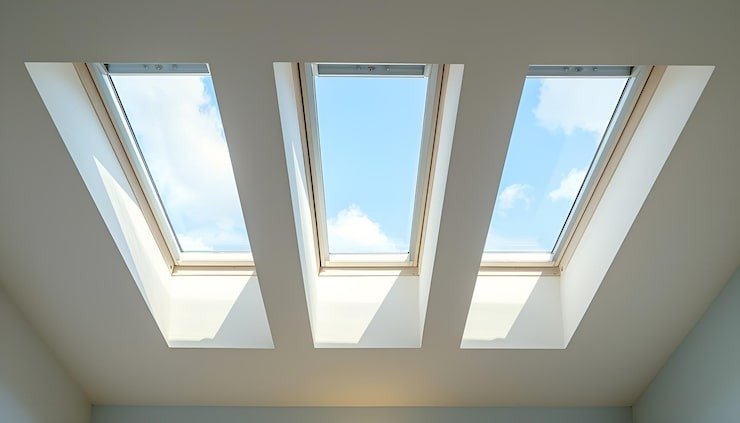
Modern home design is shifting toward spaces that feel brighter, healthier, and more connected to the outdoors. As homeowners become more interested in energy-conscious design and comfortable interiors, natural light has become a major part of renovation planning. One practical option gaining attention is opening rooflights online, which can help bring daylight into areas that may otherwise feel enclosed while also creating opportunities for better ventilation.
Unlike traditional windows, rooflights introduce light from above, allowing homeowners to rethink how illumination enters a room. With thoughtful placement and the right design, they can transform kitchens, extensions, hallways, bathrooms, and living spaces without requiring major changes to the existing layout.
Why Natural Light Matters in Modern Home Design
Natural light does more than make a room look brighter. It can influence how a space feels throughout the day and how people interact with it. A room filled with daylight can appear more open, inviting, and spacious, even when its actual dimensions remain unchanged.
Modern interior design increasingly focuses on creating environments that support everyday comfort. Rather than relying entirely on artificial lighting, homeowners are looking for ways to make better use of available daylight.
Natural light can help:
- Create a brighter and more welcoming atmosphere throughout the interior.
- Make architectural details, finishes, textures, and furnishings more noticeable.
- Reduce the need for artificial lighting during daylight hours.
- Help smaller or enclosed rooms feel more open and connected.
- Strengthen the visual relationship between indoor spaces and the changing sky.
This focus on daylight is particularly useful in homes where surrounding buildings, property boundaries, or limited wall space restrict the amount of light entering through conventional windows.
Rooflights Are Becoming Part of Flexible Home Planning
Homeowners are no longer treating rooflights as purely functional additions. They are increasingly being considered as part of the overall architectural character of a property.
A well-positioned rooflight can become a design feature while still serving a practical purpose. It can draw attention upward, introduce changing patterns of sunlight, and create a stronger sense of vertical space.
This is especially relevant in open-plan interiors. When kitchens, dining areas, and living spaces share one large area, different sources of daylight can help define individual zones without physical walls.
For example, a rooflight above a kitchen island can create a natural focal point, while another positioned over a seating area can give that part of the room its own visual identity.
Opening Designs Add Another Layer of Functionality
Fixed rooflights are useful when the main objective is bringing daylight into a room. However, opening designs can provide an additional benefit by allowing air to move through the property.
Ventilation is becoming increasingly important in modern homes. Well-insulated buildings can retain heat and moisture, making controlled airflow an important consideration. An opening rooflight can provide another route for stale or warm air to escape, particularly when positioned strategically within the home.
This can be helpful in areas where humidity is more common, such as kitchens and bathrooms.
The effectiveness of natural ventilation depends on several factors, including the room layout, rooflight position, existing airflow, and other openings in the property. It is therefore worth considering ventilation as part of the wider design rather than treating it as an isolated feature.
Choosing the Right Position Makes a Difference
Adding a rooflight is not simply about selecting a product and placing it somewhere on the roof. Its position can significantly affect the amount and quality of daylight entering the room.
The direction of the roof, surrounding structures, room dimensions, and ceiling design can all influence the final result.
Before making a decision, consider:
- The areas of the home that currently receive limited natural light.
- The position of existing windows and how daylight moves through the room.
- Whether the rooflight should illuminate a specific feature or a larger area.
- How direct sunlight could affect furniture, flooring, and interior comfort.
- Whether ventilation would be useful in the chosen location.
A thoughtful approach can prevent the rooflight from becoming an isolated feature and instead make it part of a cohesive lighting strategy.
Think About Daylight Throughout the Day
One of the most interesting aspects of rooflights is that their appearance can change depending on the time of day and season.
Morning light can create a very different atmosphere from afternoon sunlight. During overcast conditions, a rooflight may provide soft, even illumination, while brighter weather can create more defined shadows and highlights.
This changing quality gives interiors a dynamic character that artificial lighting often cannot reproduce in the same way.
It is also worth considering how the room will be used at different times. A rooflight above a dining area may create a pleasant daytime environment, while one above a workspace could improve the sense of brightness during working hours.
The goal should not necessarily be maximum sunlight. Instead, the focus should be on achieving useful, comfortable daylight for the way the space is actually used.
Combining Daylight With Ventilation
Modern homeowners are increasingly interested in features that serve more than one purpose. Rooflights that can open combine two important elements of interior design: daylight and airflow.
When used appropriately, ventilation can help move warm air upward and encourage fresh air to enter through other openings. This natural movement can complement mechanical ventilation systems, although it should not automatically be considered a replacement for them.
The design of the property matters. A single opening may have limited impact if there is no suitable airflow path. Conversely, a well-planned arrangement can make ventilation feel more natural and less dependent on mechanical systems.
This is why rooflight planning should be connected to the broader ventilation strategy of the home.
Materials and Glazing Should Not Be Overlooked
The performance of a rooflight depends on more than its frame and opening mechanism. Glazing also plays an important role in determining how light enters the room and how comfortable the interior remains.
Different glazing options can influence daylight transmission, heat control, insulation, and overall visual appearance. The right choice depends on the property’s design, roof orientation, room function, and local environmental conditions.
A bedroom, kitchen, and home office may each benefit from different considerations. A kitchen may prioritize daylight and ventilation, while a bedroom could require greater control over glare and heat.
This is where Skylights Roof Lanterns can be considered as part of a wider approach to bringing natural light and architectural interest into residential spaces.
See also: Call for Tennessee Insurance: Your First Step Toward Comprehensive Financial Protection
Consider Interior Comfort Alongside Brightness
It can be tempting to assume that more daylight is always better. In reality, excessive direct sunlight can create glare, unwanted heat, and discomfort.
The best rooflight design balances brightness with control.
Interior blinds, shades, glazing choices, and thoughtful positioning can all help manage strong sunlight. Furniture placement can also make a difference. A desk positioned directly beneath intense sunlight, for example, may experience glare at certain times of day.
Thinking about comfort from the beginning makes it easier to create a space that remains enjoyable throughout changing weather and seasons.
Rooflights Can Support Smaller Spaces
Not every home has large rooms or extensive exterior walls. In compact properties, daylight from above can be particularly valuable.
A narrow hallway may feel less enclosed when daylight reaches it from the roof. Similarly, an internal kitchen extension can benefit from overhead glazing when conventional windows are limited.
This makes rooflights useful in renovation projects where increasing the footprint of a room is not the only objective. Improving how the existing space feels can sometimes have an equally significant impact.
The visual effect can be especially noticeable when light-colored surfaces are used to reflect daylight deeper into the room.
The Growing Interest in Healthier Interior Environments
Home design trends are increasingly moving beyond appearance. Comfort, wellbeing, ventilation, and connection to natural surroundings are becoming important considerations when people plan their living spaces.
Natural light fits naturally within this broader approach.
Daylight can make indoor environments feel more connected to the outside world, while views of the sky can introduce a subtle sense of openness. Combined with suitable ventilation, rooflights can contribute to interiors that feel fresher and more pleasant.
However, they should be considered one part of a larger design strategy. Good insulation, suitable ventilation, effective shading, and appropriate artificial lighting all remain important.
A Practical Approach to Rooflight Planning
Before selecting a rooflight, it helps to step back and consider the purpose of the installation.
Ask yourself what you want the feature to achieve. Is the priority better daylight, improved ventilation, a stronger architectural feature, or a combination of these goals?
It is also useful to consider the existing structure and the character of the property. A rooflight should feel integrated rather than added as an afterthought.
Professional guidance can be valuable when structural alterations, roof design, insulation, or ventilation requirements are involved. Understanding these factors before installation can help ensure that the final result works both visually and practically.
Looking Beyond a Single Design Trend
Trends in home improvement come and go, but the demand for comfortable and naturally lit interiors is unlikely to disappear. Daylight is not tied to one particular decorating style. It can work equally well with contemporary, traditional, minimalist, or more characterful interiors.
That flexibility is one reason rooflights continue to attract attention. They can adapt to different architectural settings while providing a practical connection between the interior and the sky above.
The most successful designs are not necessarily the most dramatic. Sometimes a carefully positioned opening that quietly improves a dark part of the home can have a greater everyday impact than a large statement feature.
Conclusion
Modern homeowners are increasingly looking for ways to make their properties brighter, more comfortable, and better connected to the outdoors. Rooflights can support these goals by introducing daylight from above while opening designs can add useful ventilation to the equation.
The key is thoughtful planning. Position, glazing, room use, sunlight, ventilation, and interior comfort should all be considered together rather than separately. When these elements work in harmony, a rooflight can become more than a source of daylight. It can influence the atmosphere, functionality, and character of an entire room.
If you are exploring ways to improve natural light and ventilation in your home, take time to understand which design approach best suits your property. For professional guidance and suitable rooflight solutions, contact us to discuss your requirements and create a more naturally illuminated living environment.