ByJohn A
Can Mold Remediation Prevent Mold from Returning?
Mold can become a recurring problem when moisture and humidity are not properly controlled. Simply removing visible mold does not always solve the underlying cause, which is why professional Mold Remediation NJ services focus on both mold removal and the conditions that allow it to grow. Proper remediation can significantly reduce the likelihood of mold returning by addressing moisture sources, contaminated materials, hidden growth, and indoor humidity. However, preventing mold from coming back also requires ongoing moisture control and proper maintenance after the remediation process is complete.
What Is Mold Remediation?
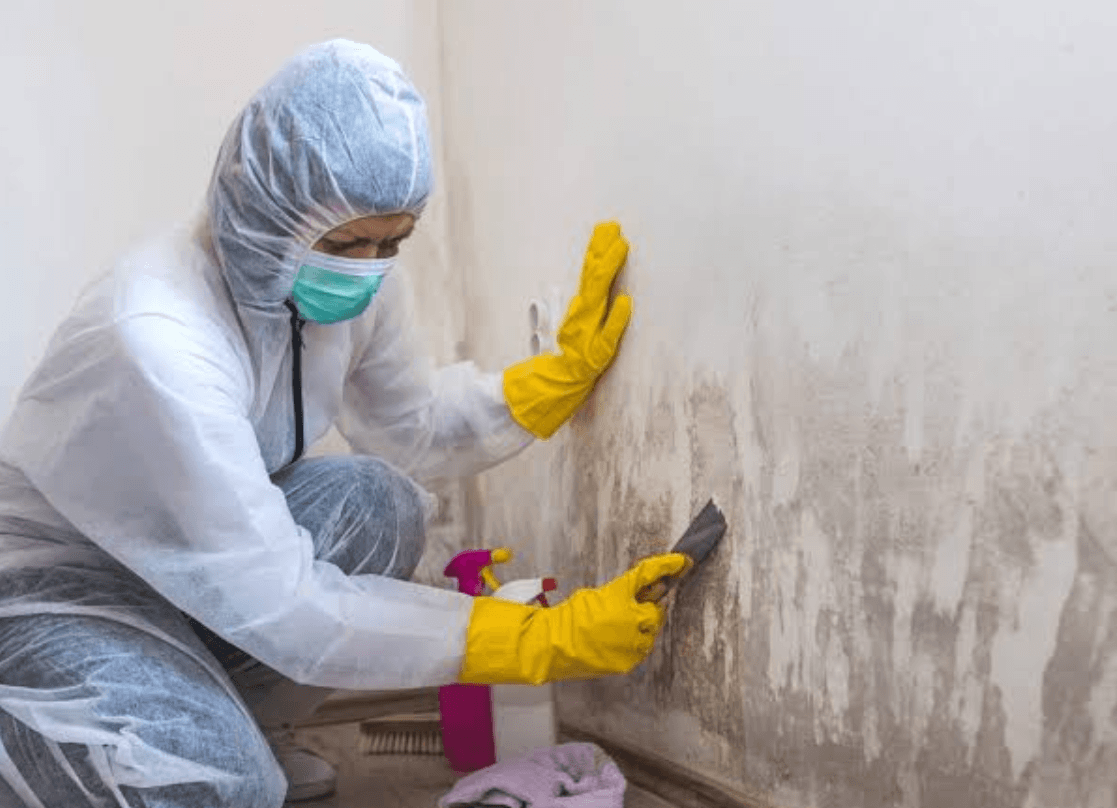
Mold remediation is a professional process designed to identify, contain, remove, and clean mold contamination from a building.
Unlike simply wiping visible mold from a surface, remediation addresses the broader problem. Professionals look for the source of moisture, determine how extensively mold has spread, remove contaminated materials when necessary, clean affected areas, and take steps to prevent future growth.
The goal is not only to remove existing mold but also to create conditions where mold is less likely to return.
Can Mold Remediation Completely Prevent Mold From Returning?
Professional remediation can greatly reduce the risk of mold returning, but no remediation process can guarantee that mold will never grow again.
Mold spores are naturally present in the environment. They can enter buildings through doors, windows, ventilation systems, clothing, and other pathways. The important factor is whether the indoor environment provides enough moisture for those spores to grow.
If the original moisture problem is permanently corrected, the chances of recurring mold growth can be significantly reduced.
Why Mold Comes Back After Improper Removal
Mold often returns because the underlying problem was never addressed.
For example, a homeowner may clean visible mold from a wall without repairing a leaking pipe behind it. The surface may look clean temporarily, but moisture remains inside the wall cavity.
Hidden Moisture Can Support New Growth
Water can remain inside drywall, insulation, flooring, ceilings, cabinets, and other building materials.
Even when a surface appears dry, hidden moisture may continue supporting mold growth. Professional remediation includes identifying areas where moisture may be trapped.
Incomplete Mold Removal
Another common problem is removing only the visible portion of mold.
Mold can spread beyond what is immediately visible, particularly when moisture has affected porous materials. If contaminated materials are not properly addressed, mold may return.
The Importance of Identifying the Moisture Source
Moisture control is one of the most important parts of successful mold remediation.
A professional should investigate why mold developed in the first place. The source could be a plumbing leak, roof problem, flooding, condensation, poor ventilation, high indoor humidity, or water intrusion around windows and doors.
Removing mold without fixing the moisture source only treats part of the problem.
How Professional Mold Remediation Works
A professional remediation process generally begins with an inspection and assessment.
Step 1: Inspecting the Property
The remediation team examines the affected areas and looks for visible mold, moisture damage, musty odors, water stains, and other warning signs.
Moisture detection equipment may be used to identify damp areas that are not immediately visible.
Step 2: Determining the Extent of Contamination
Mold can sometimes spread into adjacent rooms or hidden building cavities.
Professionals assess the affected areas to determine how extensive the contamination is and what materials may need to be cleaned or removed.
Step 3: Containing the Affected Area
Containment helps prevent mold particles from spreading to unaffected portions of the property during remediation.
Depending on the situation, professionals may isolate the affected area and use appropriate air-control methods.
Step 4: Removing Contaminated Materials
Some porous materials may be too heavily contaminated to clean effectively.
Damaged drywall, insulation, carpeting, or other materials may need to be removed and disposed of appropriately.
Step 5: Cleaning and Treating Surfaces
Remaining surfaces can be cleaned using appropriate methods based on the material and type of contamination.
The goal is to remove mold contamination while minimizing damage to the property.
Step 6: Drying the Area
After cleaning, affected materials must be thoroughly dried.
Professional drying equipment can help remove remaining moisture and create a drier environment that is less favorable for mold growth.
How Moisture Control Prevents Mold From Returning
Moisture control is the foundation of long-term mold prevention.
Even after professional remediation, a property can develop new mold if water problems return.
Repairing Plumbing Leaks
Leaking pipes, faucets, water heaters, and HVAC components can introduce moisture into areas where it may remain unnoticed.
Promptly repairing leaks helps prevent moisture from accumulating in walls, floors, and ceilings.
Addressing Roof and Exterior Water Intrusion
Damaged roofing, clogged gutters, deteriorated seals, and cracks around windows can allow rainwater to enter a building.
Exterior maintenance should therefore be part of a long-term mold prevention strategy.
Controlling Indoor Humidity
High indoor humidity can create favorable conditions for mold growth.
Using air conditioning, dehumidifiers, and proper ventilation can help maintain more appropriate indoor humidity levels.
Bathrooms, kitchens, laundry rooms, basements, and other areas with frequent moisture production may require additional ventilation.
Improving Ventilation
Poor airflow can allow moisture to remain trapped indoors.
Exhaust fans should be used in bathrooms and kitchens to remove humid air. Ventilation systems should also be maintained properly to support healthy indoor airflow.
Improved ventilation helps reduce condensation on walls, windows, ceilings, and other surfaces.
Why Fast Water Damage Response Matters
The longer water remains inside a building, the greater the opportunity for mold to develop.
Water damage from flooding, burst pipes, appliance leaks, or storms should be addressed as quickly as possible.
Professional water extraction and drying can reduce the amount of moisture available for mold growth.
Can Mold Grow Again After Remediation?
Yes, mold can grow again if moisture returns.
Successful remediation removes existing contamination, but it does not make a building permanently immune to mold.
For example, if a basement remains consistently damp after remediation, mold may eventually return. Similarly, a recurring roof leak can create new contamination even after previously affected areas have been properly cleaned.
This is why prevention must continue after remediation.
Regular Property Inspections Can Help
Routine inspections can identify developing moisture problems before they become major issues.
Homeowners and property managers should pay attention to water stains, musty odors, peeling paint, condensation, damp materials, and visible fungal growth.
Early action can prevent a small moisture issue from becoming a larger mold problem.
The Role of HVAC Systems in Mold Prevention
Heating, ventilation, and air conditioning systems can influence indoor humidity and air quality.
Poorly maintained systems may contribute to moisture accumulation or spread particles throughout a building.
Regular HVAC maintenance, appropriate filtration, and keeping components dry can support a healthier indoor environment.
Preventing Mold in Basements and Crawl Spaces
Basements and crawl spaces are particularly vulnerable to moisture because they may have limited ventilation and direct contact with surrounding soil.
Waterproofing improvements, drainage solutions, vapor barriers where appropriate, and dehumidification can help reduce moisture levels.
These areas should be inspected regularly, especially after heavy rainfall or flooding.
Preventing Mold in Bathrooms
Bathrooms produce significant amounts of moisture through showers, baths, and hot water use.
Using exhaust fans during and after showers, fixing leaks promptly, drying wet surfaces, and maintaining appropriate ventilation can reduce the conditions that support mold growth.
Regular cleaning can also help prevent buildup in areas that remain damp.
Preventing Mold in Kitchens
Kitchens can also develop moisture problems because of cooking, dishwashing, plumbing, and appliances.
Range hoods, exhaust fans, proper ventilation, and prompt leak repairs can help control moisture.
Areas underneath sinks and around refrigerators, dishwashers, and washing machines should receive particular attention.
Does Mold-Resistant Material Prevent Mold?
Mold-resistant drywall, paint, insulation, and other materials can provide additional protection in certain applications.
However, these products are not a substitute for moisture control.
Even mold-resistant materials can become contaminated when exposed to persistent water intrusion or excessive humidity. They should therefore be considered part of a broader prevention strategy rather than a complete solution.
When Should You Call a Mold Remediation Professional?
Professional assistance is appropriate when mold covers a significant area, keeps returning, is associated with extensive water damage, or may have spread into hidden building materials.
Professional remediation is also valuable when the source of moisture is difficult to identify.
Attempting to handle extensive contamination without the proper knowledge, equipment, and containment methods can spread mold particles to other areas.
How to Maintain Your Property After Remediation
Once remediation is complete, ongoing maintenance becomes essential.
Keep the property dry, address leaks quickly, maintain ventilation, monitor humidity, inspect vulnerable areas, and respond promptly to new signs of water intrusion.
Property owners should also avoid allowing wet materials to remain indoors for extended periods.
The Long-Term Benefits of Professional Mold Remediation
Professional mold remediation provides more than immediate removal of visible contamination.
A properly planned remediation process addresses the source of the problem, removes affected materials when necessary, cleans contaminated areas, and helps establish conditions that are less favorable for future growth.
When combined with good moisture management and regular maintenance, remediation can significantly reduce recurring mold problems.
See also: Home Improvement Center Ideas for Stylish Living Spaces
Conclusion
Professional mold remediation can significantly reduce the chances of mold returning, but the key to long-term prevention is controlling moisture. Removing visible mold without addressing leaks, humidity, condensation, poor ventilation, or water intrusion can allow the problem to return. A complete remediation process identifies the source, contains the affected area, removes or cleans contaminated materials, and dries the property properly. Afterward, regular inspections and preventive maintenance are essential for keeping the environment dry and reducing future mold growth. If you notice recurring mold, persistent moisture, or musty odors and are searching for Mold Remediation near me, choosing an experienced professional can help identify the underlying cause and develop a long-term solution for your property.